
Consultant Anaesthetist, NHS & Private Practice
Anaesthesia, explained clearly.
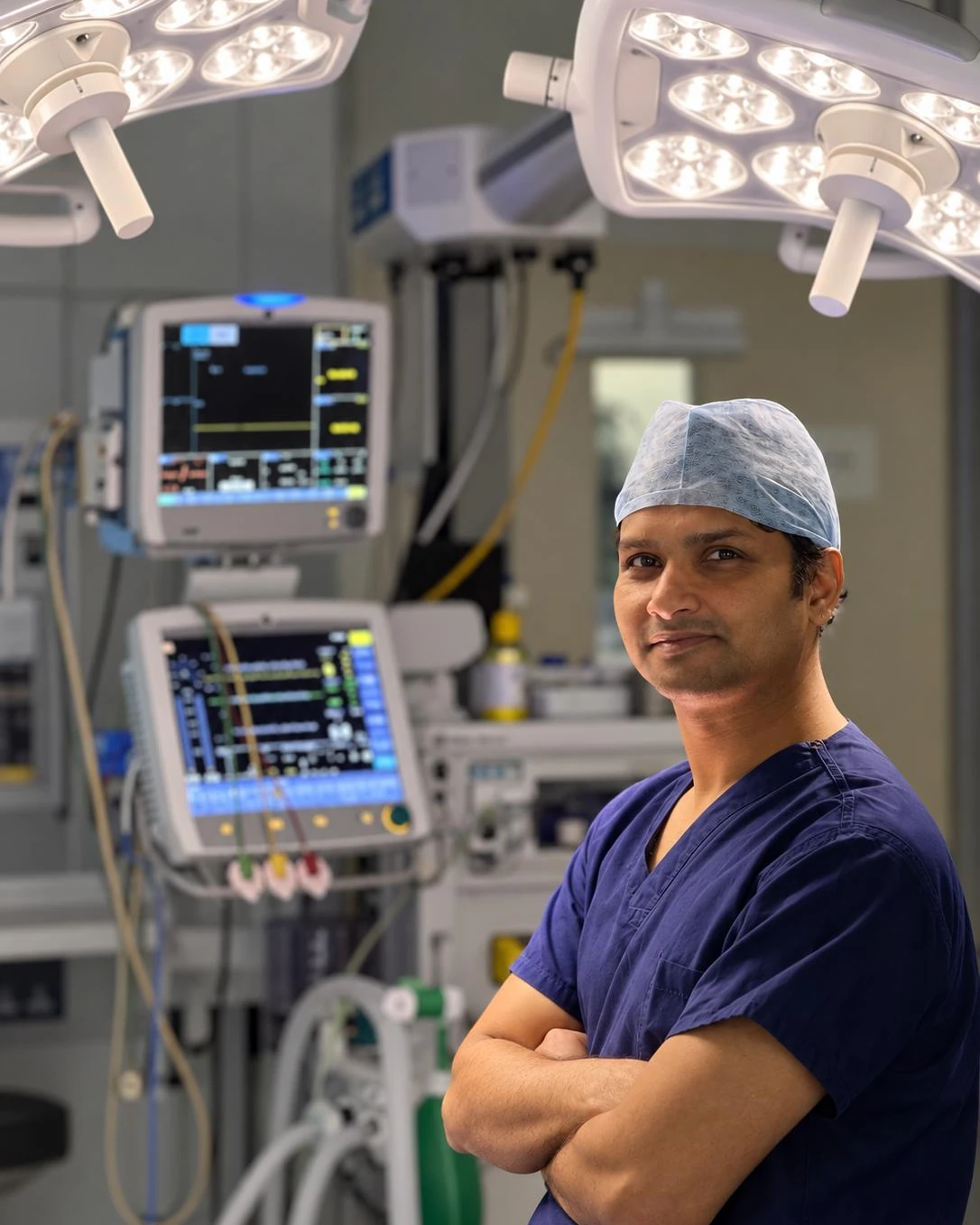
I'm Dr Sagar Tiwatane, a consultant anaesthetist with twenty-five years in medicine, working across the NHS and in private practice. This site is a plain-English guide to what anaesthesia actually involves, written for patients preparing for an operation, and for colleagues and trainees who want a clear reference.
Areas of Practice
Safe anaesthesia, and the time to explain it.
Most people meet their anaesthetist for the first time on the day of their operation, often for only a few minutes. That is rarely long enough to answer the questions that matter: what will I feel, what are the risks for someone like me, and how will I be looked after afterwards.
The resources on this site are my attempt to fill that gap. They set out, in ordinary language, what each type of anaesthetic involves, how to prepare, and what recovery usually looks like, so that the conversation on the day starts from a much better place.

General Anaesthesia
Anaesthesia for a full range of surgical procedures, from short day-case operations to longer, more complex surgery. Every anaesthetic is planned around your medical history, your operation and what matters to you.
Regional Anaesthesia
Ultrasound-guided nerve blocks and spinal anaesthesia to numb a specific part of the body. Used alone or alongside a general anaesthetic, they can reduce pain after surgery and the need for strong pain medications.
Day-Case Joint Replacement
Anaesthetic pathways designed so that selected patients having hip and knee replacement can be up, mobile and home the same day. This is an area I have helped develop and continue to work on.
Pre-Operative Assessment
A careful review before surgery of your health, medication and previous anaesthetics, so that risks are identified early and your anaesthetic plan is agreed with you well before the day.
25 Years in Medicine
Twenty-five years of clinical practice, with specialist training in anaesthesia.
NHS & Private Practice
Consultant anaesthetist at the Royal Free London NHS Foundation Trust, alongside private practice.
Research & Teaching
Special interest in regional anaesthesia and day-case surgical pathways.
About Dr Tiwatane
Dr Sagar Tiwatane
Consultant Anaesthetist · MBBS DA DNB FRCA
Modern, personalised anaesthetic care focused on safety, comfort and a smooth recovery.
Clinical Practice
I am a consultant anaesthetist at the Royal Free London NHS Foundation Trust, where I also serve as Clinical Lead for Anaesthetic at Chase Farm and Barnet Hospital. Twenty-five years in medicine have taken me through a broad range of surgical specialties, and my day-to-day work spans everything from short day-case procedures to major elective surgery.
NHS and Private Work
Alongside my NHS consultant post I hold a private practice, and I am recognised by all major private medical insurers, with fees agreed in advance so insured patients are not left with a shortfall to pay. The standard of anaesthetic care is the same in both settings; what differs is the timing, the surroundings and how much choice you have over dates.
Research and Special Interests
My area of interest is in regional anaesthesia, using targeted nerve blocks to control pain with fewer opioids. I have also worked on day-case pathways for hip and knee replacement, where careful anaesthetic planning allows suitable patients to walk, recover and go home on the day of their operation rather than spending nights in hospital. This work has also drawn national media attention, including coverage in The Times.
You will meet me before surgery. In private practice I make time to go through your history, your previous anaesthetics and your concerns properly, and we agree the plan together before you come into theatre.
Principles of Care
How I Approach Anaesthesia
Anaesthesia is one of the few parts of an operation that patients are asked to consent to while understanding the least about it. These are the principles that shape both my clinical practice and everything written on this site.
Informed Consent, Properly Done
Consent is a conversation, not a signature. You should understand what is being proposed, the realistic alternatives, and what the risks mean for someone with your history.
Plain Language First
Every explanation on this site avoids jargon where it can, and defines it where it cannot. If a term is unavoidable, it gets explained rather than assumed.
Evidence, Not Anecdote
Guidance here follows current national standards from the Royal College of Anaesthetists and the Association of Anaesthetists, not personal preference.
Honest About Risk
Serious complications from anaesthesia are rare, but they are not zero. Numbers are given in a form you can actually picture, and uncertainty is stated openly.
Pain Managed Deliberately
Good pain control is planned before surgery, not improvised afterwards. Regional techniques are used where they genuinely help you recover faster and need fewer opioids.
Recovery Starts Early
The anaesthetic plan is built around getting you eating, drinking and moving as soon as it is safe, the single biggest factor in a comfortable recovery.

25
Years in Medicine
NHS
& Private Practice
5
Resource Guides
GMC
Registered
Anaesthesia Resources
Understand Your Anaesthetic
Five guides covering the questions patients ask most often. Each one is written in plain English, follows current national guidance, and takes about five minutes to read.
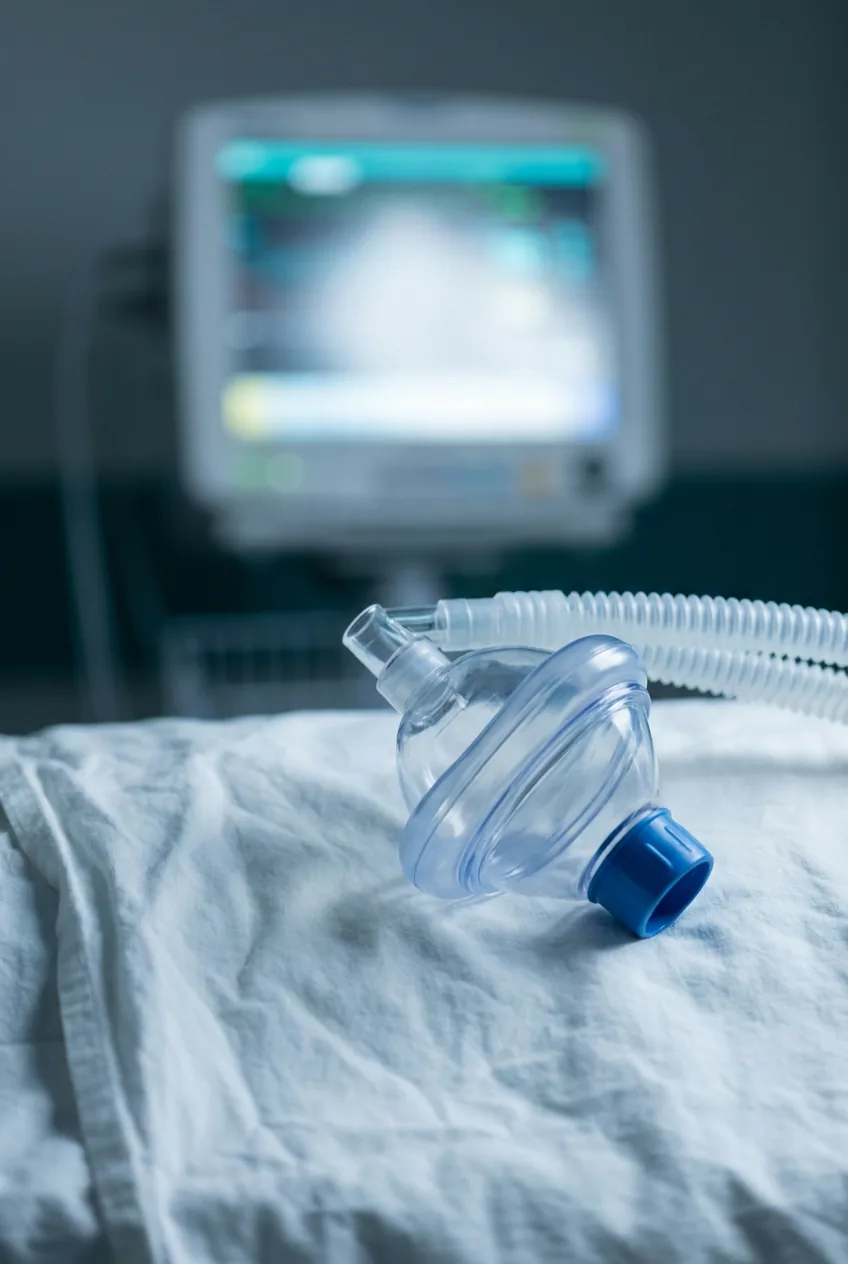
General Anaesthesia
What being fully asleep for an operation actually involves: how it is given, how you are monitored, and what waking up is like.
Patient guide
Read Guide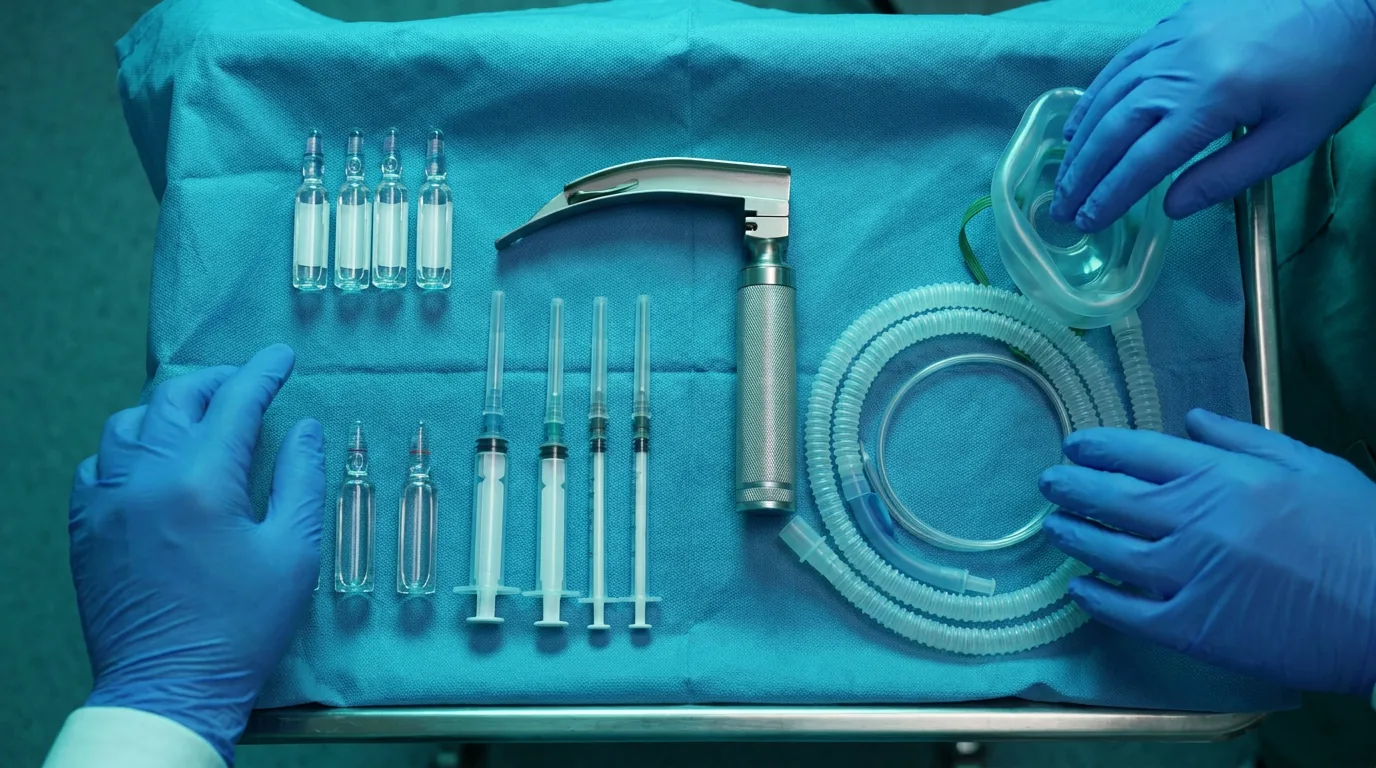
Regional Anaesthesia
Nerve blocks, spinals and epidurals explained: how a specific part of the body is numbed, and why this often means less pain afterwards.
Patient guide
Read Guide
Day-Case Joint Replacement
How anaesthetic technique makes it possible for selected patients to have a hip or knee replaced and go home the same day.
Patient guide
Read Guide
Preparing for Your Anaesthetic
The practical steps that make an anaesthetic safer, including fasting, medication, smoking, alcohol and what to bring.
Before surgery
Read Guide
Recovery & Aftercare
The first few hours, common after-effects such as sore throat and sickness, pain relief at home, and when to seek advice.
After surgery
Read GuideWill I feel anything during the operation?
Under a general anaesthetic you are fully unconscious and will have no awareness of the surgery. Under a regional anaesthetic the area being operated on is numb, and you can choose to stay awake, have sedation to make you drowsy, or be asleep as well. Either way, you should not feel pain during your operation.
How safe is anaesthesia?
Modern anaesthesia in the UK is very safe. Serious complications are rare, and deaths directly caused by anaesthesia are rarer still, well under one in a hundred thousand for a healthy adult having routine surgery. Your individual risk depends on your health, your age and the operation itself, which is exactly what the pre-operative assessment is for.
Why can't I eat or drink before my operation?
Anaesthesia relaxes the reflexes that normally stop stomach contents entering the lungs. An empty stomach makes that far less likely. Standard guidance is no food for six hours beforehand, but clear fluids are usually allowed until two hours before, and staying hydrated genuinely helps you feel better afterwards.
Will I wake up during surgery?
This is one of the most common worries, and it is genuinely rare, at roughly one in nineteen thousand general anaesthetics. Your depth of anaesthesia is continuously monitored throughout, and the dose is adjusted to your response rather than set and left.
How will my pain be managed afterwards?
Pain relief is planned before your operation, not improvised afterwards. It usually combines simple pain medications taken regularly with, where appropriate, a nerve block that numbs the surgical area for many hours. The aim is to keep you comfortable enough to move, eat and sleep while using as few opioids as possible.
Can I really go home the same day after a joint replacement?
For carefully selected patients, yes. It depends on your general health, your home support and the anaesthetic technique used. When a spinal or nerve block is combined with short-acting drugs, suitable patients can be standing and walking within hours and safely discharged the same day.

Will I feel anything during the operation?
Under a general anaesthetic you are fully unconscious and will have no awareness of the surgery. Under a regional anaesthetic the area being operated on is numb, and you can choose to stay awake, have sedation to make you drowsy, or be asleep as well. Either way, you should not feel pain during your operation.
During Surgery
Question 1 of 6
Common Questions
The questions patients ask me most
These come up in almost every pre-operative conversation. The answers here are general, and your own anaesthetist will tailor them to your health and your operation.
Where I Practise
NHS and Private Practice
I work in both settings. The clinical standard of anaesthesia does not change between them. What differs is how you are referred, how your care is funded, and how much say you have over timing.
NHS Practice
Consultant anaesthetist at the Royal Free London NHS Foundation Trust, and Clinical Lead for Anaesthetic at Chase Farm and Barnet Hospital.
Referred through your NHS surgical team.
Full range of elective and day-case surgery
Care free at the point of use
Anaesthetist allocated by the department

Private Practice
Private anaesthetic care for patients funding treatment themselves or through medical insurance, working alongside your chosen surgeon.
Recognised by all major insurers, fee assured.
Named anaesthetist you meet before the day
Fees agreed in advance with all major insurers, no shortfall
Appointment times arranged around you
Library
Browse by Topic
Get In Touch
Make an Enquiry
For private practice enquiries, or questions about anaesthesia for an upcoming operation. Please do not send urgent clinical questions through this form.

Still have questions?
No guide covers every situation. If something about your anaesthetic is worrying you, or you would like to discuss private anaesthetic care for an upcoming operation, please get in touch.